“Biocompatible” is one of those words that sounds reassuring but rarely gets explained. It shows up on wellness websites and product labels, generally meaning “safe for the body.” But in biological dentistry, it means something richer and more personal than a label. It means asking not just “is this material safe?” but “is this material right for you?” And that distinction — the idea that your body gets a vote — is at the very heart of how we practice.
Why “safe in general” isn’t the whole story. Most dental materials are considered safe for most people. That’s true, and it’s important. But “most people” isn’t you. Bodies differ. Two patients can receive the exact same material and respond to it differently — one perfectly fine, the other with sensitivity or a low-grade reaction. Allergies, immune responses, existing health conditions, and individual chemistry all shape how a person’s body coexists with a foreign material. So a blanket “it’s safe” answer, while reasonable, skips the question we care most about: how will your body live with this?
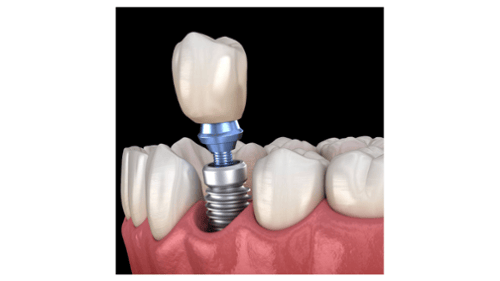
Remember what we’re actually choosing. This matters because dental materials aren’t temporary. A filling, a crown, an implant — these become long-term residents of your body, in constant contact with your tissue and saliva for years, sometimes decades. You’ll chew on them, your gums will touch them, your immune system will quietly register them every single day. When something is going to live in you that long, “probably fine for the average person” isn’t a high enough bar. Compatibility deserves real thought.
Strength is only one criterion. In conventional dentistry, materials are often chosen primarily for how well they perform mechanically — how strong they are, how long they last, how they handle. Those things genuinely matter, and we care about them too. But biological dentistry adds another axis to the decision: how does this material interact with your body? A material can be strong and durable and still not be the best choice for a particular person. We’re weighing both the engineering and the biology — because a restoration that works beautifully but doesn’t sit well with your body isn’t a real success.
How your body gets a vote. Giving your body a say looks like a few concrete things:
- We consider the individual, not just the average. Your health history, known sensitivities, and how your body has responded to things in the past all factor in.
- We can test for compatibility. For patients who want it, biocompatibility testing offers insight into how your body may respond to specific material components, helping guide the choice toward what suits you.
- We favor materials with a gentle track record. We lean toward well-tolerated, metal-free options like ceramics — not because metal is inherently evil, but because we’d rather choose materials the body is least likely to react to.
- We listen. If your body is telling us something — sensitivity, irritation, a reaction — we pay attention rather than dismissing it. Your experience is data.
Why this is biological dentistry. The whole philosophy comes down to a simple, respectful idea: your mouth is part of your body, and your body deserves a say in what we put into it. “Biocompatible” isn’t a marketing word to us. It’s a commitment to choosing materials that work with your individual biology, not just against the clock or the chewing forces. We want restorations that last — and that your body is genuinely at peace with.
Because the best material isn’t the strongest one, or the newest one, or the one everyone else uses. It’s the one that’s right for you.
Have questions about the materials in your mouth — or want options your body will welcome? Let’s talk. Call (281) 392-8450 or learn more at katietodds.com.
Beautiful Smile. Healthy You.